
Birdwatching in the Kimberley and Pilbara
Home to over a third of Australia’s bird species, the Kimberley and Pilbara are a paradise for birdwatchers,and also a place where birdlife is hard to miss, even if you've never gone looking for it before. With wetlands, rivers, savannah, coastal beaches, and rugged escarpments, these regions offer incredible diversity and opportunities to see both rare and iconic Australian birds in their natural habitats.
Diverse Habitats, Remarkable Birdlife
The Kimberley and Pilbara boast a rich variety of habitats that attract a remarkable range of bird species. From the striking red and yellow Gouldian finch to majestic sea eagles, brolgas, and colorful waterbirds, these regions are home to over 500 species — more than one-third of all birds in Australia.
Whether you’re exploring wetlands, mangroves, rivers, or open savannah, you’ll encounter a mix of resident and migratory birds. For experienced birdwatchers, the diversity is exceptional; for casual visitors the visibility and abundance of birdlife often comes as a surprise. Many species are endemic or rarely seen elsewhere, making the North West a unique destination for both beginner and experienced birdwatchers.
Top Birdwatching Spots
Birdwatching in Australia’s North West isn’t limited to hides or dedicated tours. Many of the region’s most rewarding sightings happen while travelling between destinations, exploring national parks, cruising rivers or simply spending time near water. These standout locations offer some of the best opportunities to see birdlife up close, whether you’re planning a visit around birdwatching or discovering it along the way.
-
Habitat: Coastal tidal flats
-
Key Species: Greenshanks, sandpipers, terns, curlews, eastern curlew
-
Best Time: August–April (migratory season), low tide is best for feeding activity
-
Experience: Self-guided walks along the beach; accessible shoreline observation
-
Tip: Bring binoculars and stick to marked paths to avoid disturbing birds
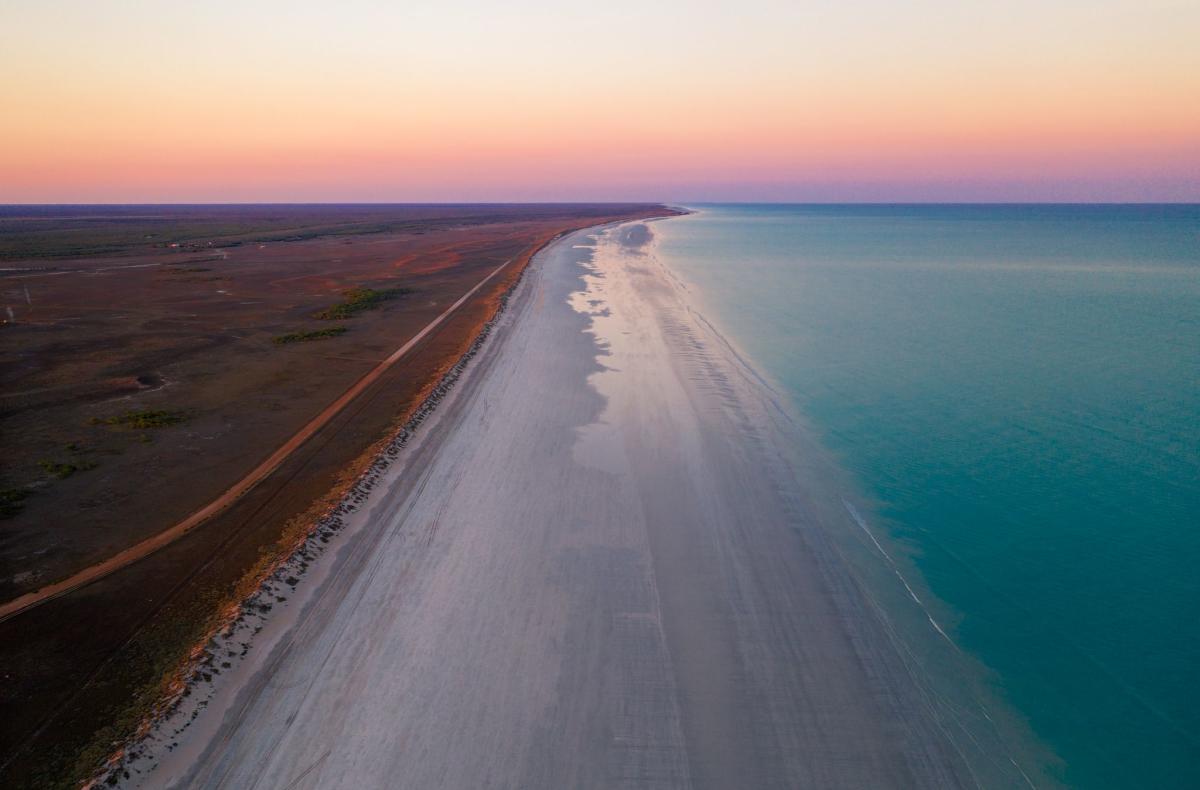
Stretching along the Pilbara coast, Eighty Mile Beach is internationally recognised for its migratory shorebirds. Nearby accommodation at Eighty Mile Beach Caravan Park allows for early morning and dusk visits.
-
Habitat: Permanent pools, river systems, savannah plains
-
Key Species: Honeyeaters, finches, corellas, brolgas, spinifex pigeons
-
Best Time: Year-round, mornings are most active
-
Experience: Self-guided birdwatching along walking tracks and viewpoints
-
Tip: Respect nesting and feeding areas; morning visits yield the best sightings
Millstream Chichester National Park is the Pilbara’s richest inland birdwatching habitat, with seasonal changes dramatically influencing species diversity.
-
Habitat: Freshwater lake, wetlands, and river systems
-
Key Species: Magpie geese, darters, pelicans, brolgas, intermediate egrets, jacanas
- Best Time: May–October (dry season)
-
Experience: Self-guided shoreline viewing or guided cruises
-
Tip: Use binoculars to spot birds on islands and in wetlands
Lake Argyle and the Ord River system provide a mix of wetlands and floodplains supporting a rich variety of waterbirds and riparian species, perfect for morning or late afternoon observations.
-
Habitat: Seasonal freshwater lake, floodplains, and savannah edge
-
Key Species: Black swans, whistling ducks, finches, honeyeaters
-
Best Time: Wet season receding into early dry season
-
Experience: Self-guided along tracks around the lake and floodplains
-
Tip: Bring water and sun protection; some tracks may be sandy or muddy
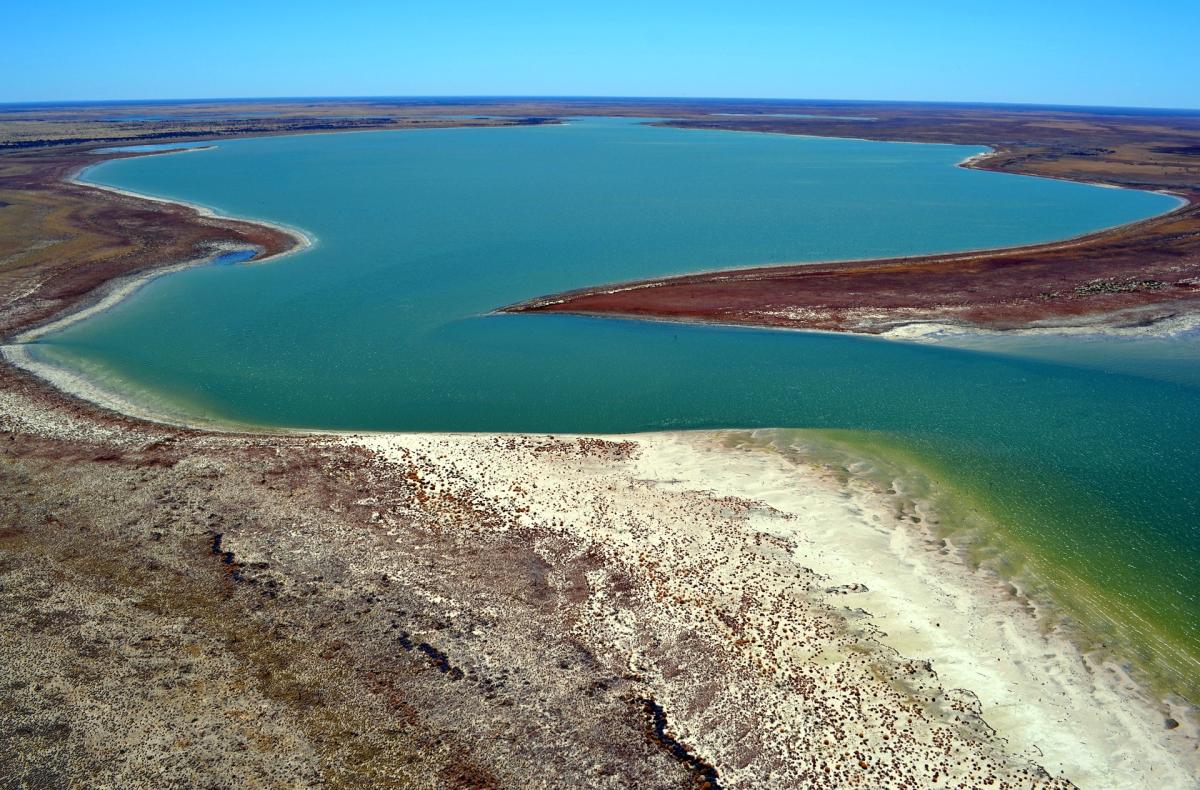
Paruku (Lake Gregory) offers an inland birdwatching experience with a striking contrast of wetlands amid desert landscapes, attracting a variety of migratory and resident species.
Roebuck Bay, Broome

-
Habitat: Mudflats and coastal wetlands
-
Key Species: Bar-tailed godwits, red-necked stints, curlews, greenshanks, sandpipers
-
Best Time: August–April, timed with low tide
-
Experience: Guided shorebird walks or self-guided observation along the foreshore
-
Tip: Avoid walking on mudflats during migration season; respect sensitive areas
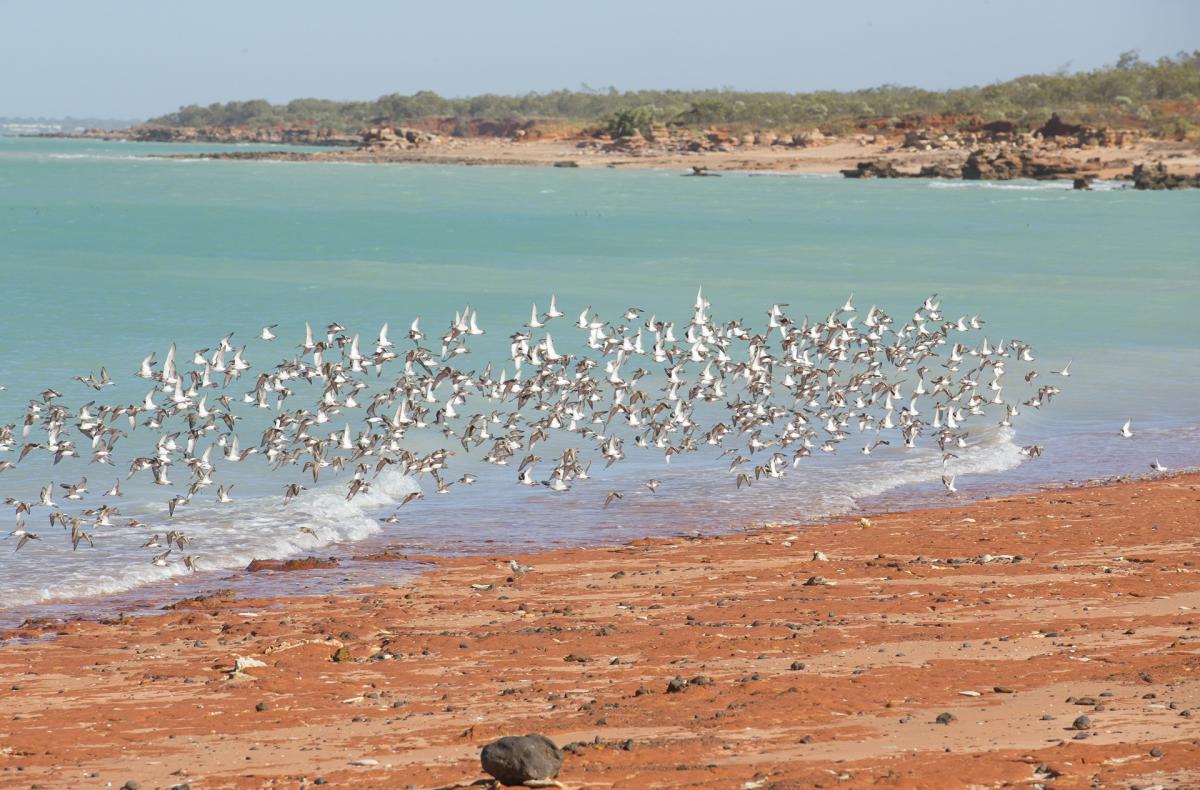
Roebuck Bay is internationally recognised for its migratory shorebirds traveling along the East Asian–Australasian Flyway, making it a must-see destination for birdwatchers.
-
Habitat: Seasonal wetlands and woodland edges
-
Key Species: Finches, herons, eagles, honeyeaters, whistlers
-
Best Time: Post-wet season mornings
-
Experience: Self-guided walking along quiet tracks
-
Tip: Bring binoculars and maintain a safe distance from nesting areas
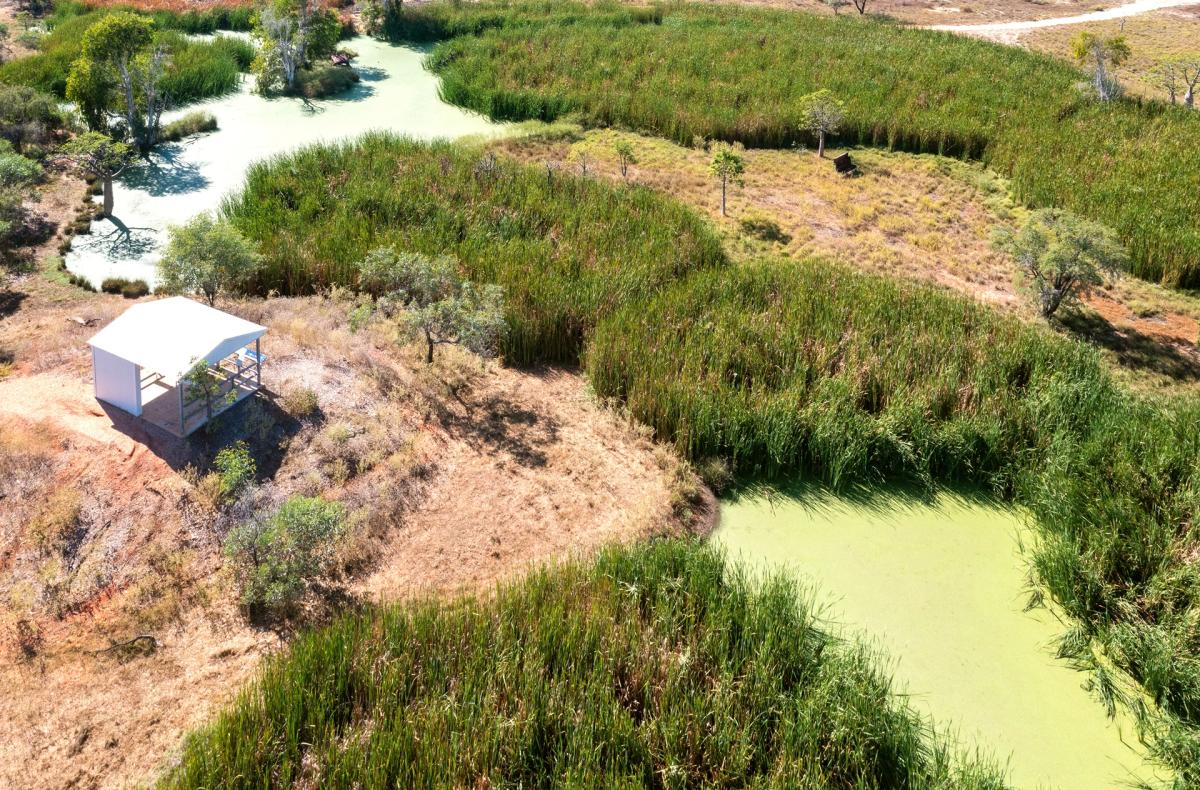
These seasonal wetlands attract a wide variety of woodland birds, waterbirds, and raptors, offering excellent self-guided birdwatching opportunities.
Lacepede Islands, Kimberley Coast

-
Habitat: Remote seabird breeding colonies
-
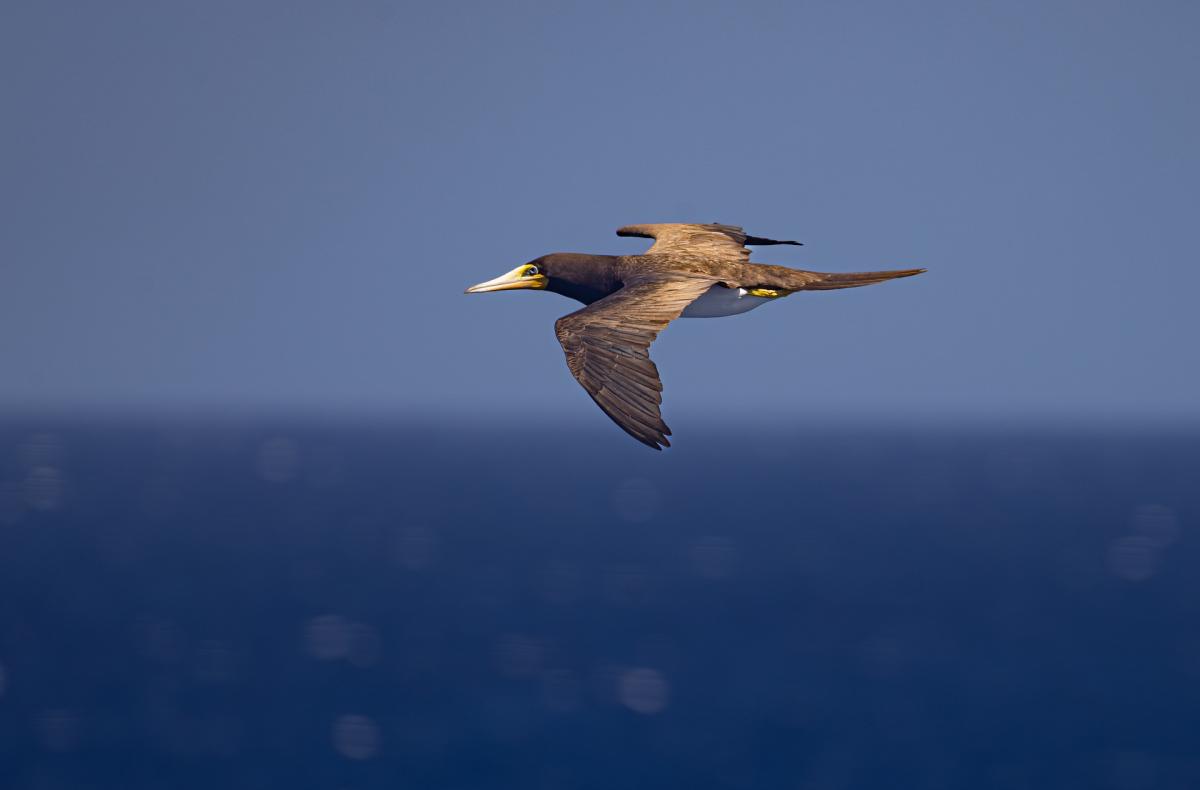
Key Species: Brown boobies, terns, lesser noddies, crested terns
-
Best Time: Dry season (via Kimberley coastal cruises)
-
Experience: Observed from a safe distance on expedition cruises
-
Tip: Follow tour guidelines to avoid disturbing nesting birds
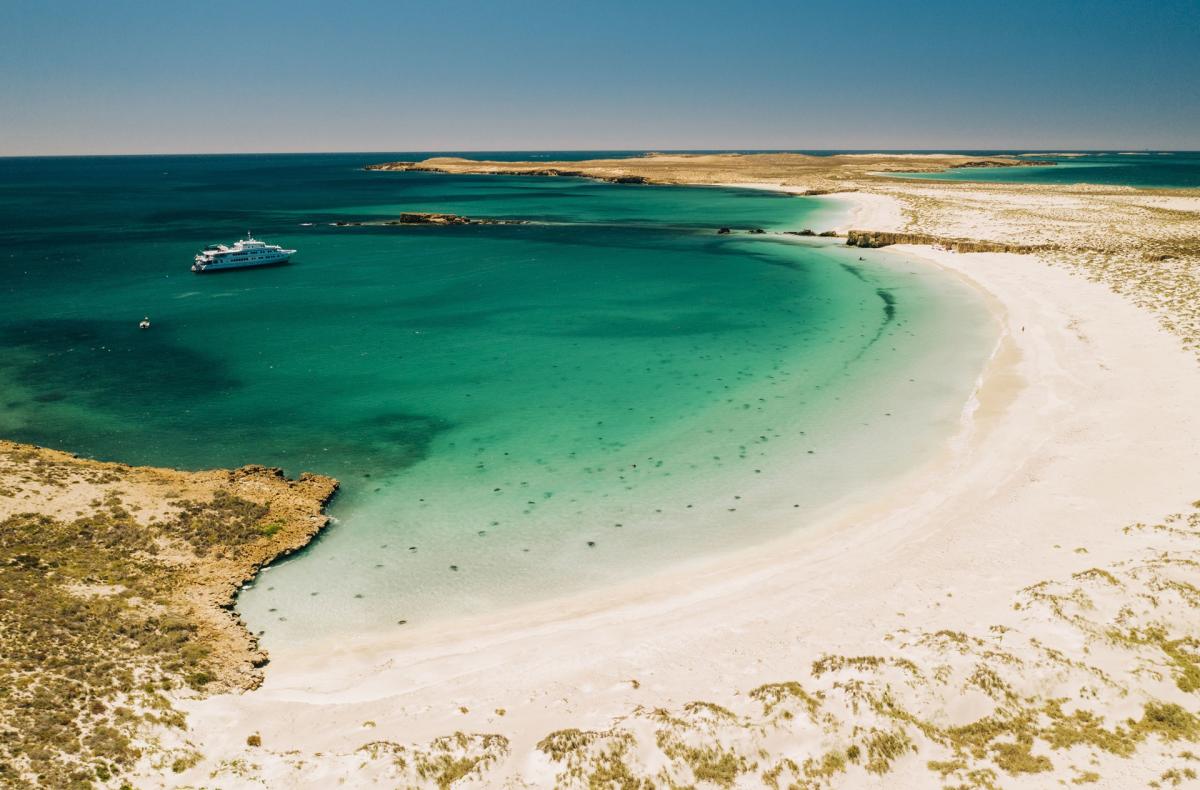
Lacepede Islands host some of the largest seabird breeding colonies in Australia, with birds often seen in large numbers during coastal expedition cruises.
Montebello Islands, Pilbara Coast

-
Habitat: Coastal islands and rocky islets
-
Key Species: Ospreys, terns, gulls, shearwaters
-
Best Time: Dry season (best via small boat or island excursions)
-
Experience: Observed during boating trips
-
Tip: Maintain a safe distance from nesting areas; avoid disturbing sensitive habitats
The Montebello Islands are home to several seabird species and provide excellent offshore birdwatching opportunities as part of boating or island excursions.
More birdwatching hotspots to discover
Lily Creek Lagoon
The beautiful waters of Lily Creek Lagoon lie alongside the town centre of Kununurra.
Parry Lagoons Nature Reserve
At Parry Lagoons Nature Reserve you can view a wealth of tropical birds and crocodiles from the bird…
Ord River & Lake Kununurra
The Ord River and its tributaries form one of the most significant waterways in Australia, producing…
Birdwatching Tours
Whether you’re looking for a dedicated wildlife outing or a tour that naturally incorporates birdwatching into a broader exploration of the region’s landscapes, there are excellent guided options across the Kimberley and Pilbara. Take a look at some tours that highlight the Kimberley’s amazing birdlife and the variety of species you can see along the way.
The Coral Frontiers & Kimberley Icons itinerary weaves together the classic Kimberley coastal experience with visits to remote islands and reef systems, offering…
Lake Argyle Cruises runs a full day birdwatching cruise on Australia’s largest freshwater lake, a designated RAMSAR wetland renowned for its astonishing avian…
Birdwatching at El Questro often happens as part of the station’s guided nature experiences. These excursions are a relaxed way to tune into birdlife alongside…
Specialist Birdwatching Tours
The Kimberley and Pilbara are also well known within Australia’s birding community for specialist birdwatching and wildlife guides who operate seasonally across the region. These small-group and private tours are typically tailored to experienced birders, with a strong focus on locating rare, endemic and migratory species across wetlands, floodplains and savannah habitats.
More wildlife & animals
Camel Safaris
A winding train of camels treads peacefully along the beach, waves lapping against the shore as the…
Fishing
The Kimberley and Pilbara regions offer some of the best wilderness and adventure fishing…
Turtle Nesting
The coastal waters and islands of the Pilbara and Kimberley are home to six of the seven species of…
Whale & Dolphin Watching
Witness the incredible annual whale migration from the south-west to the most important humpback…